NTCU AI Education Course Site

Yu-Ting Shih's Generative AI Education and Application Platform

Created by Yu-Ting Shih | Public AI education and applied AI course materials from National Taichung University of Education (NTCU)

This site is an original public-facing course version rebuilt from AI-related materials in classfile. It focuses on AI education, AI applications, generative AI teaching, and higher-education classroom practice. It does not reproduce the structure or premium dialogue-based content from your paid materials. Instead, it offers a fresh learning path for international readers, collaborators, and workshop participants.

A unified entry point for public teaching materials, classroom use, and research application

This course site was organized and produced by Yu-Ting Shih. It now follows the same fixed-header, tech-minimal interface as the main academic site.

  • Teachers who want to integrate AI into class design
  • Researchers who need structured AI-supported workflows
  • Staff members building repeatable AI-enabled processes
  • Cross-disciplinary learners looking for a coherent entry point

Public Course on the Ministry of Education MOOC Platform

This course is also available on the Ministry of Education's MOOC platform as a formal public-facing course entry, allowing readers to review the syllabus, videos, and enrollment information outside this website.

Python Basics, Data Visualization, and Data Analysis

Institution: National Taichung University of Education

Certified hours: 4 hours | Audience: Higher education | Open since March 31, 2025

The course introduces Python step by step, including libraries, educational data analysis, data visualization, and simple inferential statistics.
Course Topics

  • Introduction to Python and data types
  • Flow control, functions, and modules
  • Handling missing values
  • Data visualization
  • Reading, saving, and scraping data
  • Educational data processing and simple inferential statistics with Python
Generative AI learning map

Rebuilding the course from the sourcebook archive

This update draws on the expanded sourcebook edition of AI時代,我與它的對話 and maps its core chapter logic and classfile slide materials back into the eight-unit course structure.

What was added

  • CH4 and the introduction reinforce Unit 1 with AI evolution and multimodal foundations.
  • Prompt engineering, system instructions, few-shot design, and vibe coding reinforce Unit 2.
  • NotebookLM, Gemini, Copilot, and AI Studio strengthen Unit 3 as a platform-comparison module.
  • GAS, Google Sheets, Sites, LINE Bot, and AI agent logic reinforce Units 6 and 7.
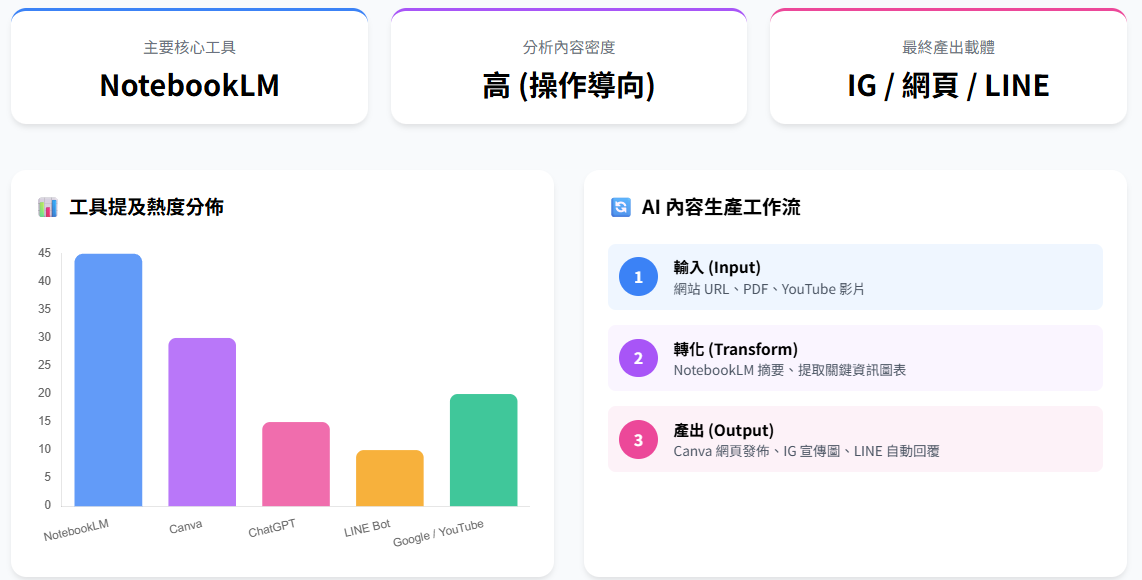
AI content production workflow

The sourcebook's core capability arc

The long-form sourcebook does not treat AI as a shortcut to instant answers. Its central claim is that learners need to notice problems, break them down, work through dialogue, and validate judgment. That capability arc is now made explicit on this homepage.

01

AI is not just an answer machine

AI works best as a thinking amplifier. The real difference lies in interaction habits, judgment, and responsibility.

02

Find the real problem first

Move from symptoms and complaints to a clearer problem statement, likely causes, and smaller, actionable questions.

03

Break the task into steps

Use time, causality, perspective, and decision criteria to make large tasks easier to begin and improve.

04

Dialogue, verify, revise

Use iterative prompting, structured output, and risk checking so AI supports thinking rather than replacing human judgment.

Three instructional use cases

The sourcebook frames the content as personal training, classroom material, and workshop handout. This course site now follows the same logic so instructors and readers can adapt it to different settings.

  • Personal training: use each method to handle a real problem you are currently facing.
  • Classroom teaching: split the material into problem finding, prompt design, AI-supported reasoning, validation, and workflow units.
  • Workshop delivery: turn the content into 3-hour, 6-hour, or multi-week modules.

How the public edition is designed

This website edition preserves the knowledge structure, interaction logic, and method-oriented cases of the sourcebook, while avoiding direct reuse of longer premium dialogues, full scripts, and future paid-only depth materials.

  • Keep the capability arc without copying whole chapter prose.
  • Keep methods and case logic without exposing premium dialogue samples.
  • Help readers learn the approach while preserving advanced paid content.

YouTube teaching video access

Readers who want a more direct demonstration format can move from this course site into Yu-Ting Shih's YouTube channel. The channel home, video archive, stream archive, and playlists make it easier to switch between reading, watching, and replaying classroom-oriented examples.

Suggested use with the units

  • Units 1 to 3: use videos for foundations, prompting, and platform comparison.
  • Units 4 to 6: use stream archives for classroom workflows, research, and cloud integration.
  • Units 7 to 8: use playlists to revisit service design, governance, and reflective discussion.

Core course arc

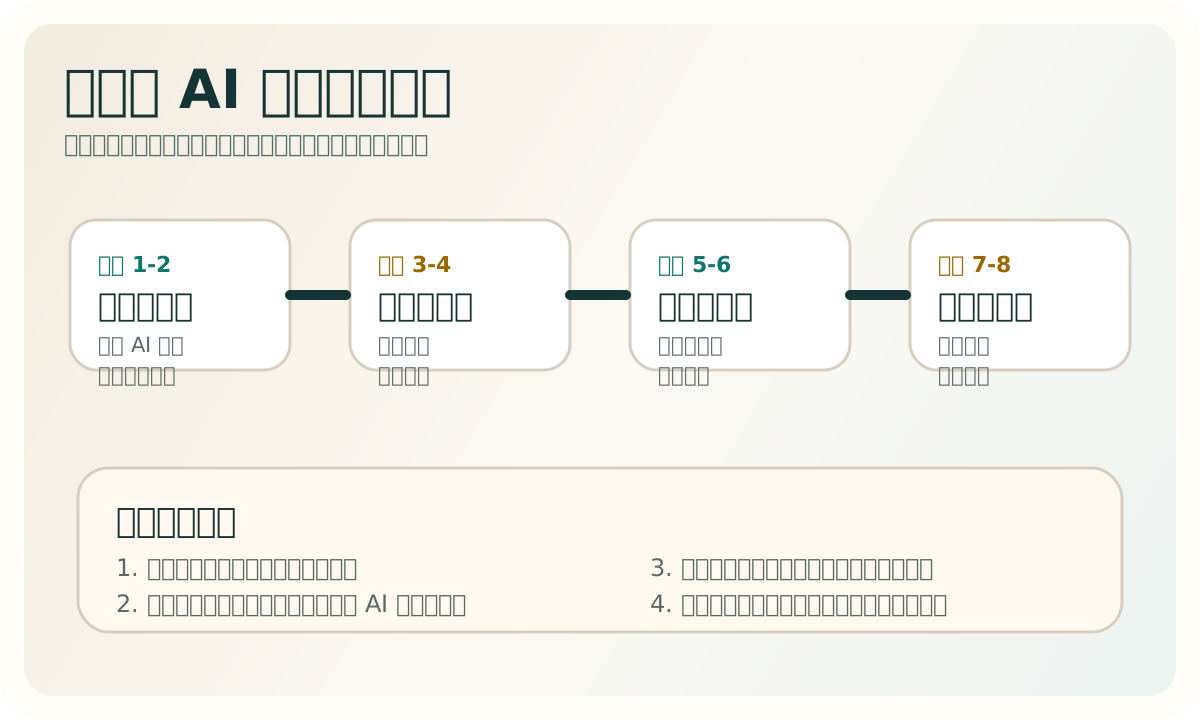
The course follows a clear sequence: conceptual grounding, prompt design, tool choice, teaching application, research application, workflow integration, interactive services, and governance.

01

Understand what AI is

Build a stable mental model for generative AI, multimodal systems, and agent-based applications.

02

Learn to ask better

Turn vague requests into structured prompts and reusable interaction patterns.

03

Choose tools intentionally

Select platforms according to task type, output needs, and collaboration context.

04

Apply AI to real work

Translate tools into concrete classroom, research, and administrative workflows.

Eight instructional units

Each unit includes learning goals, activity ideas, reflection tasks, and implementation suggestions, while also aligning with the sourcebook's capability steps of understanding AI, finding problems, decomposing tasks, dialoguing with AI, integrating workflows, and managing risk.

Designed for safe sharing

This English version, produced by Yu-Ting Shih, is meant for international exchange and public communication. It emphasizes methods and structure while protecting premium content, exclusive scripts, and deeper dialogue examples reserved for future paid offerings.

Ready for GitHub Pages

The site now follows a static-site structure with root-level entry pages, unit subpages, shared CSS, and local assets, which makes it straightforward to publish through GitHub Pages.

Original visuals for teaching use

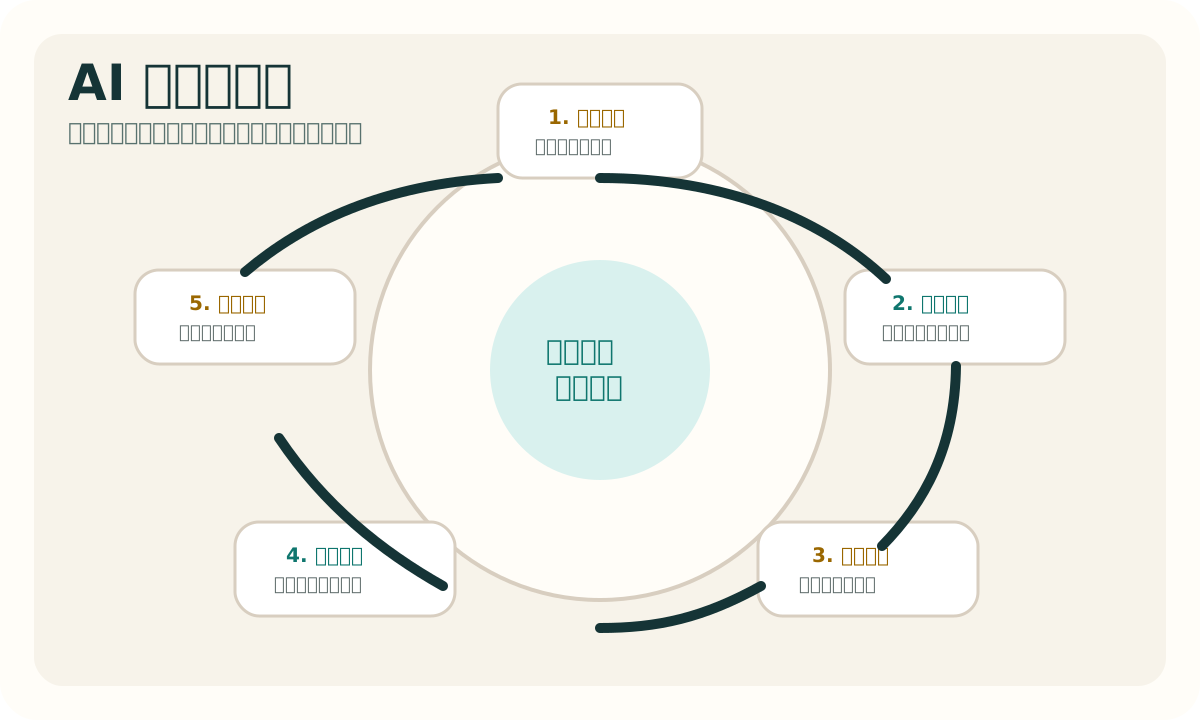
AI workflow loop
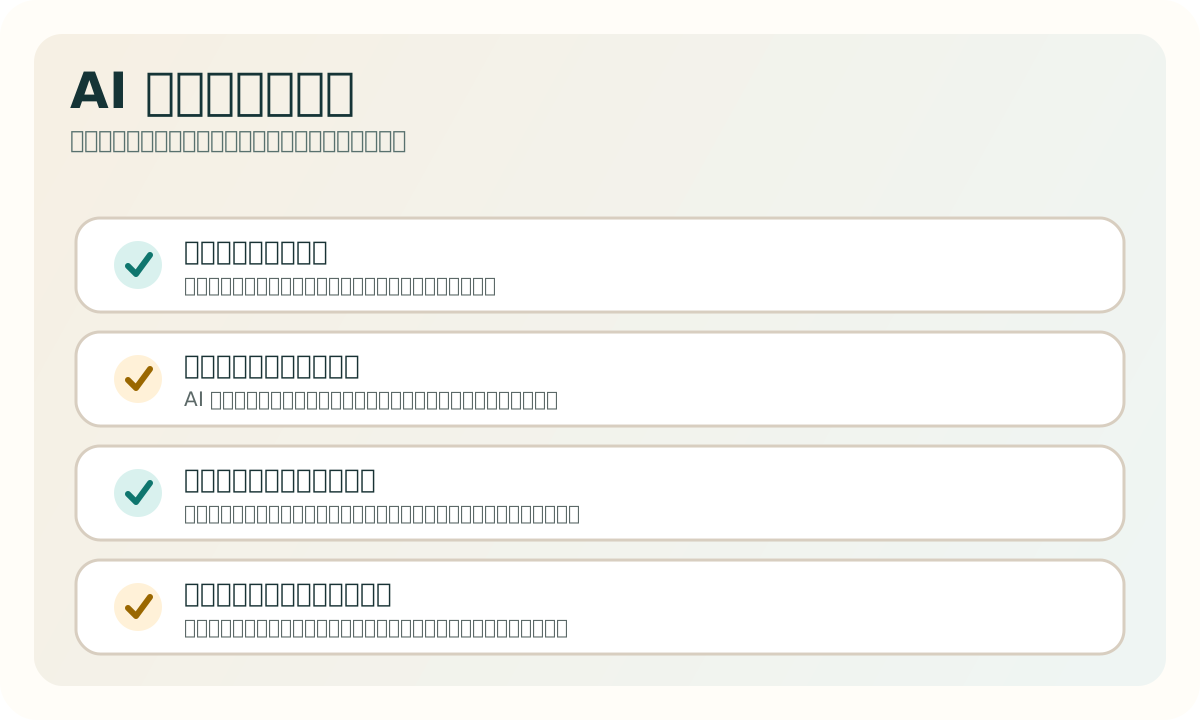
AI governance checklist

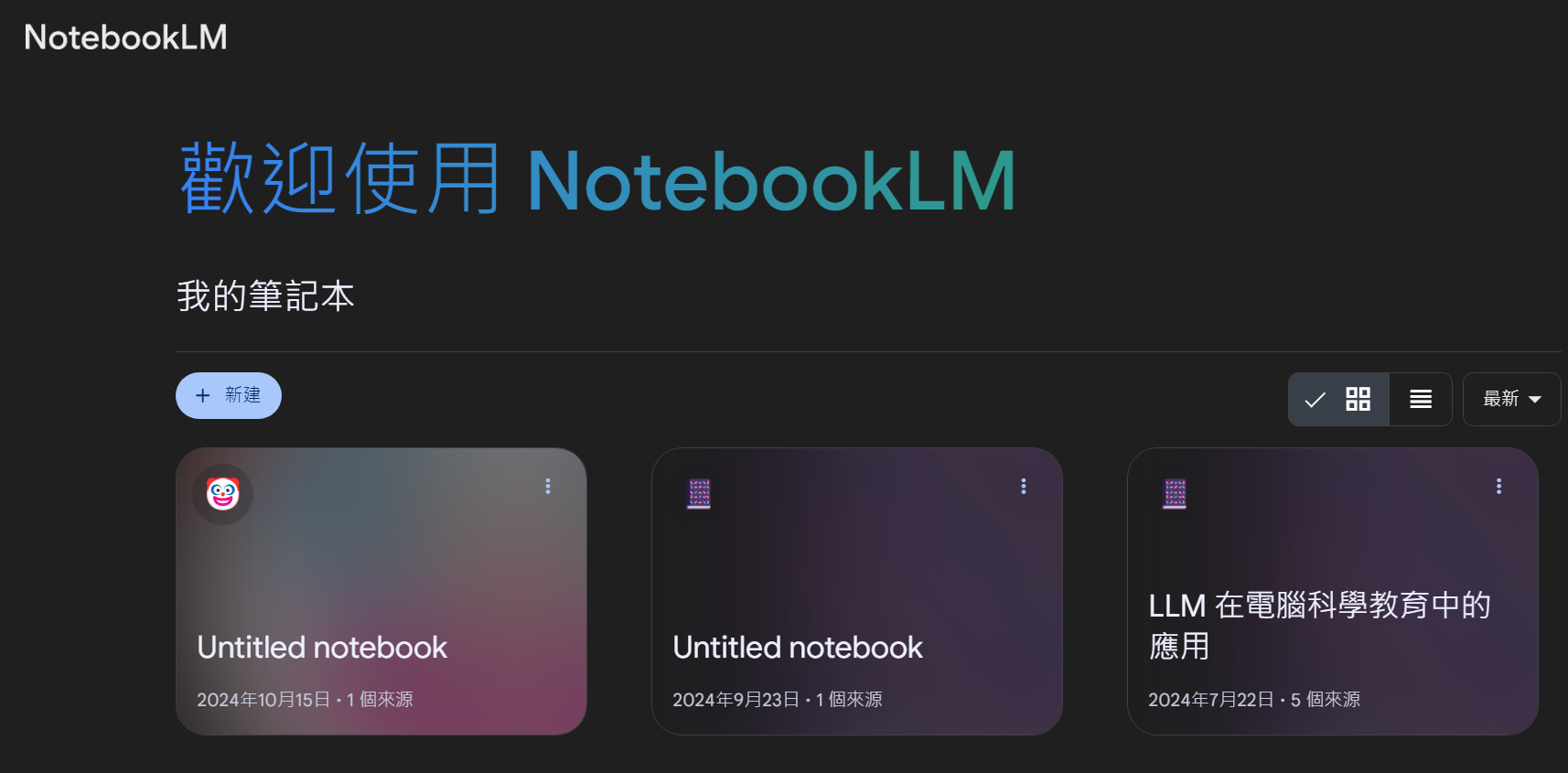
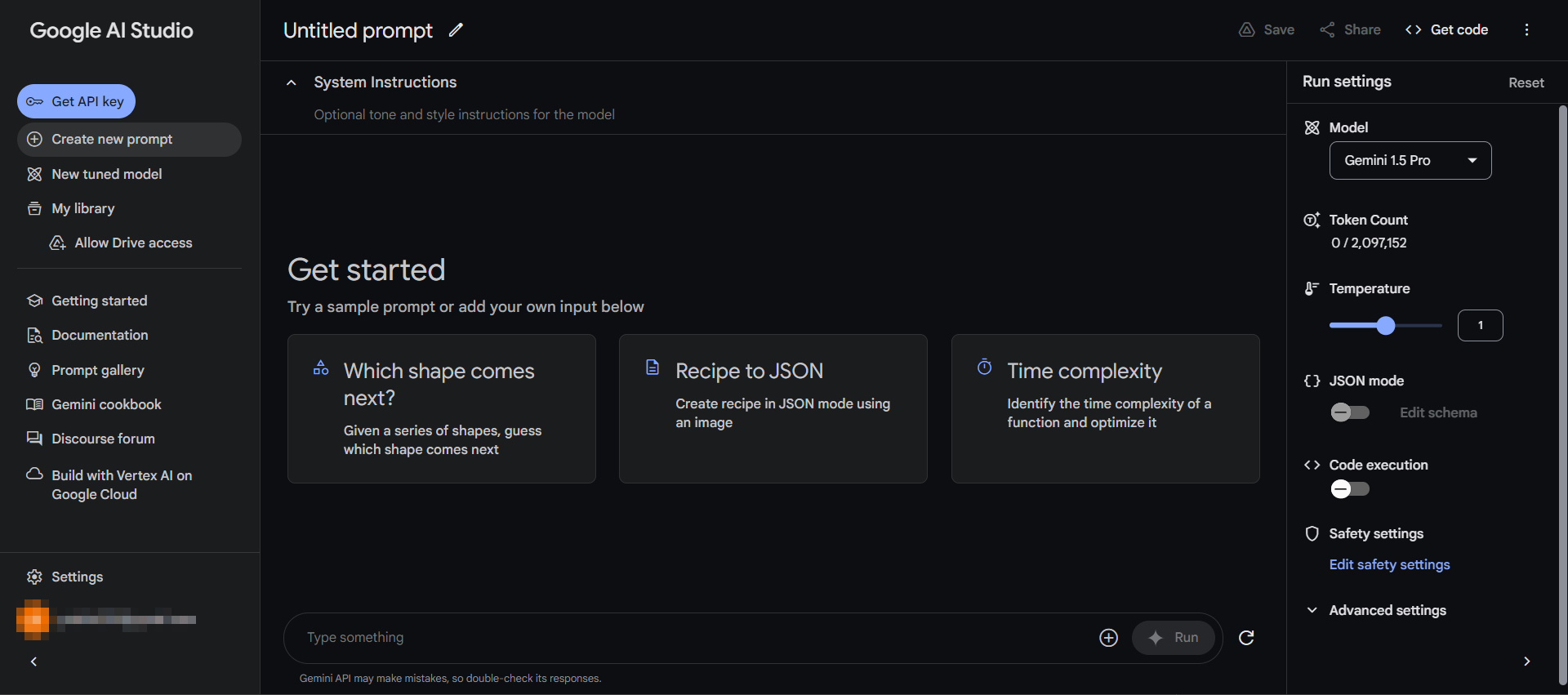
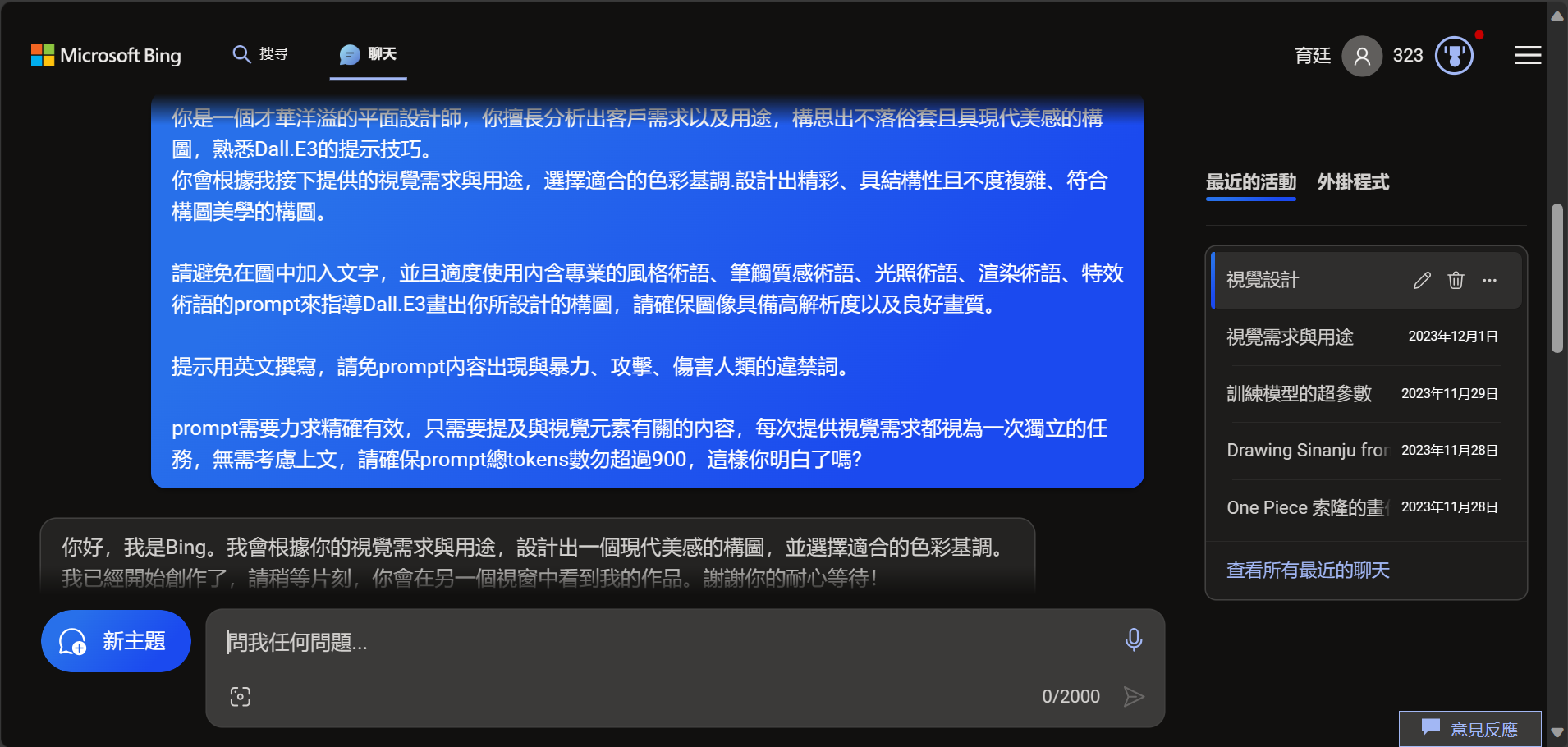
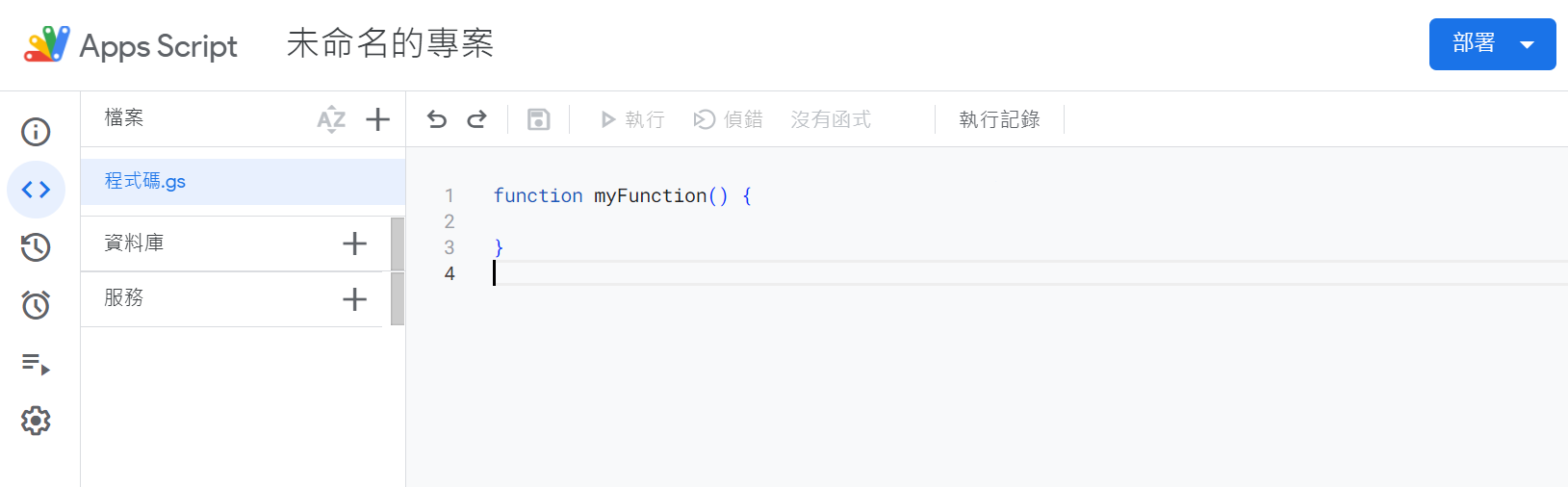
Tool interfaces added to the course

These interface references come from classfile slide materials and make the course feel closer to real classroom practice.

NotebookLM interface
Google AI Studio interface
Copilot chat interface
Apps Script editor interface

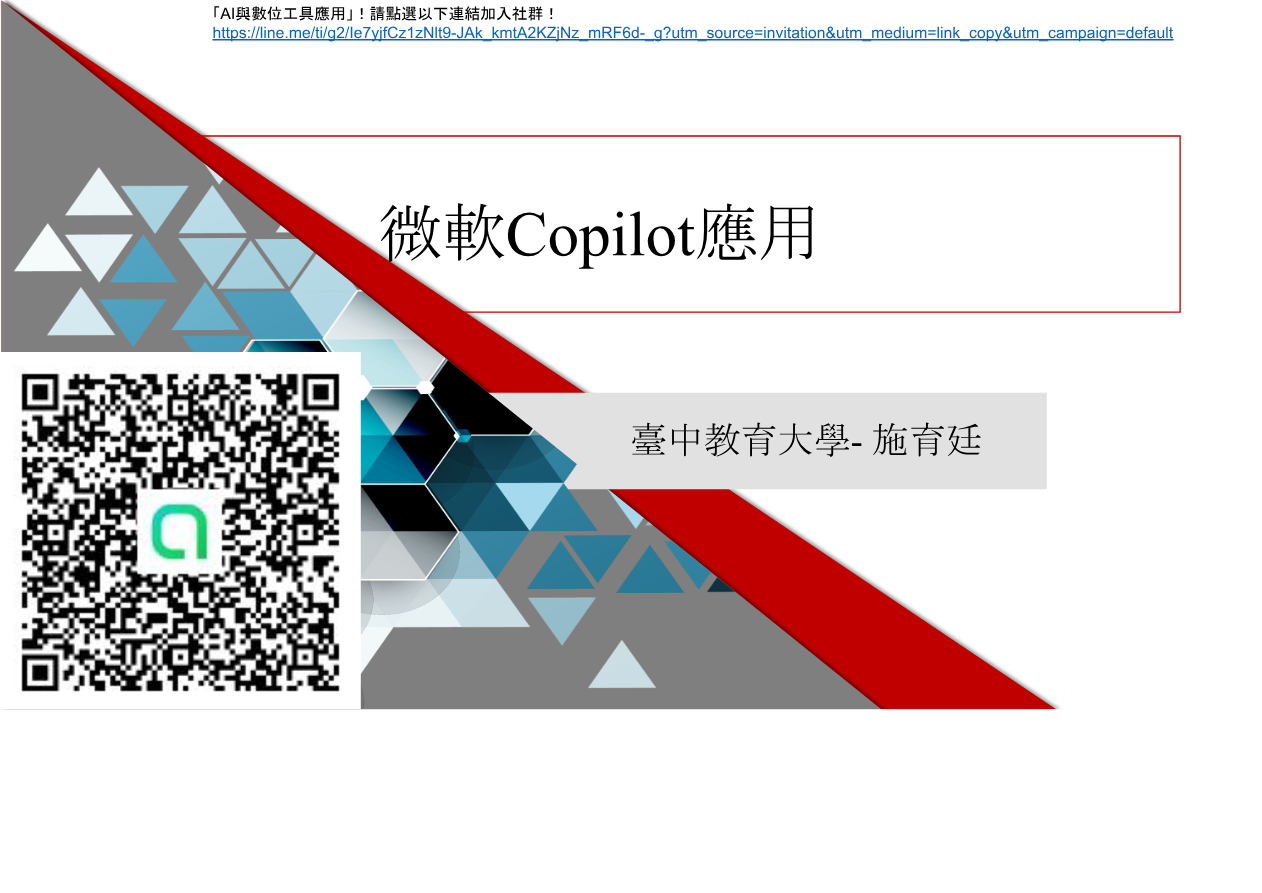
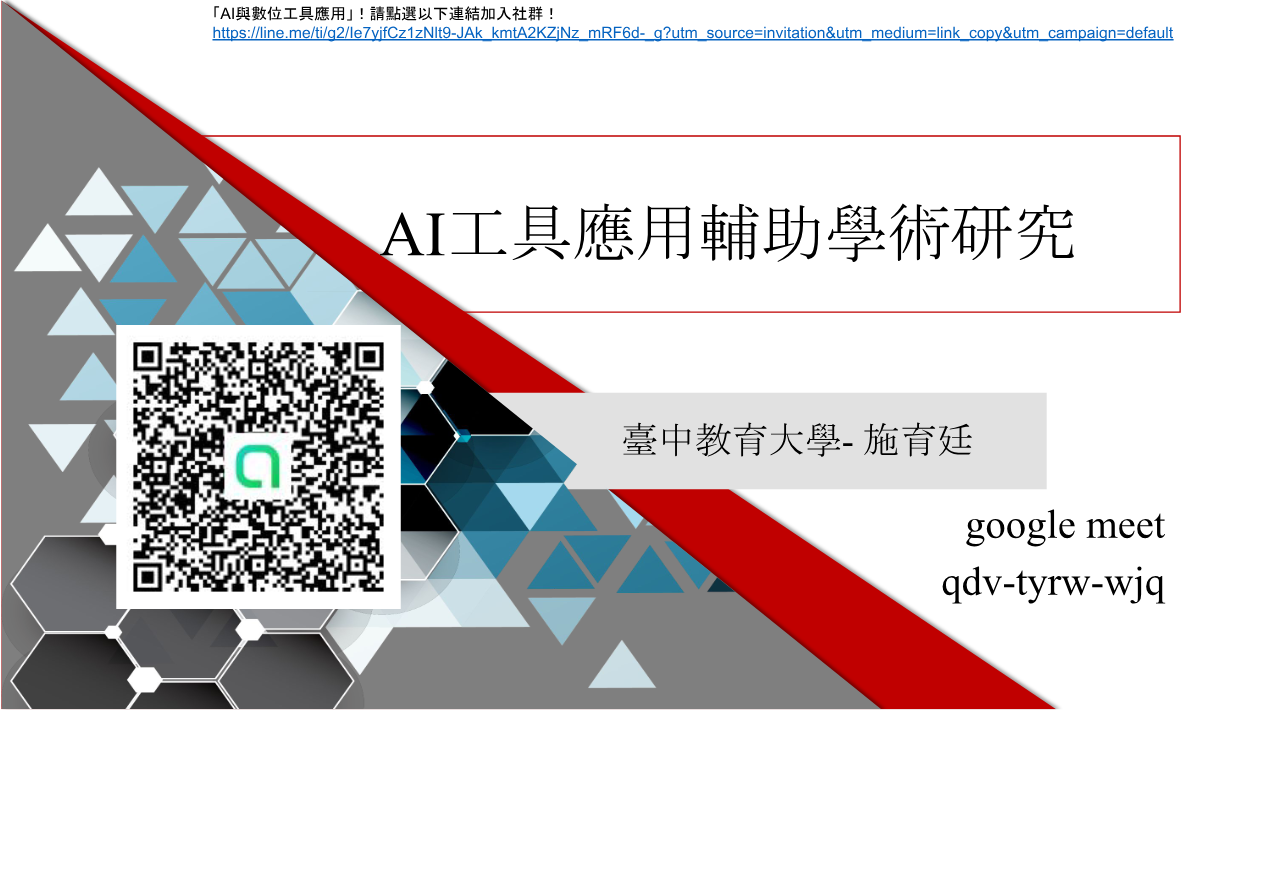
Lecture deck and handout covers added to the course

These first-page visuals come from PDF handouts and lecture decks stored in classfile and now help frame the teaching scenarios, platform introductions, and research-oriented examples in the public course site.

Google AI Studio PDF cover

Google AI Studio Platform Operations

Microsoft Copilot PDF cover

Microsoft Copilot Applications

AI for academic research PDF cover

AI Tools for Academic Research Support

TeachWise AI PDF cover

TeachWise AI for Smarter Teaching and Learning