Research Page

From Traditional Semantic Analysis to Generative AI: Research on Cybersecurity and Privacy Challenges in Cloud-Based Educational Task Automation

The rapid growth of large language models (LLMs) has advanced conversational agents into powerful tools for automating complex information tasks.

Author: Yu-Ting Shih 6 pages 10 figures Large Language Models (LLMs) Educational Task

Publication Info

Source file: T0354_全文.pdf

Keywords

Large Language Models (LLMs), Educational Task

This page is generated from the shared research-page structure and uses the site-wide template.

Overview

The rapid growth of large language models (LLMs) has advanced conversational agents into powerful tools for automating complex information tasks.

Key Points

  • Background: The rapid growth of large language models (LLMs) has advanced conversational agents into powerful tools for automating complex information tasks.
  • Method: The study presents a clear research design that can support further work in educational technology and AI-supported learning.
  • Findings: The article highlights the value and applicability of AI-related approaches in educational and learning contexts.
  • Significance: Relevant themes for follow-up discussion include: Large Language Models (LLMs), Educational Task.

Summary

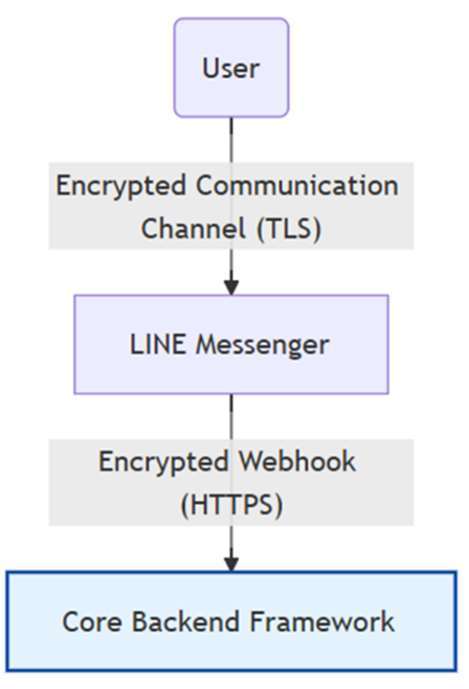
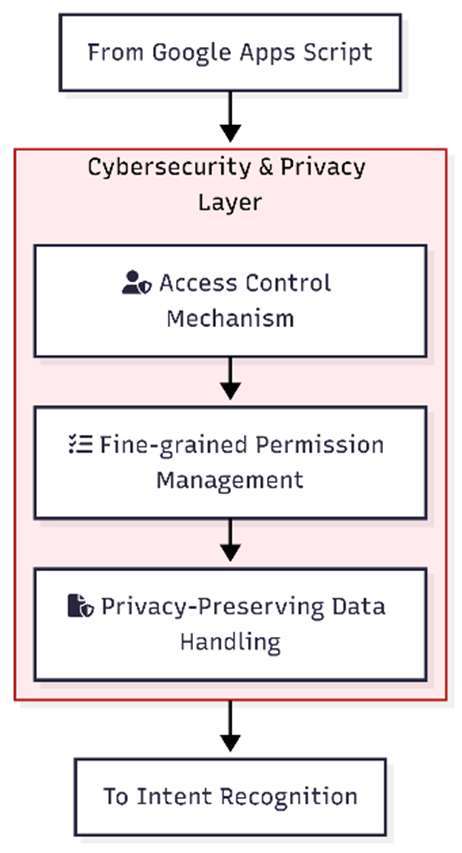
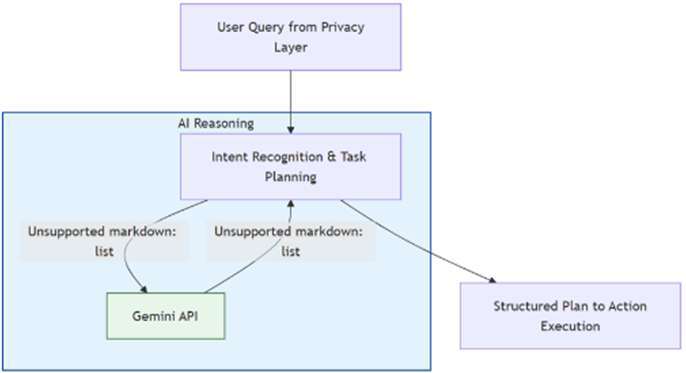
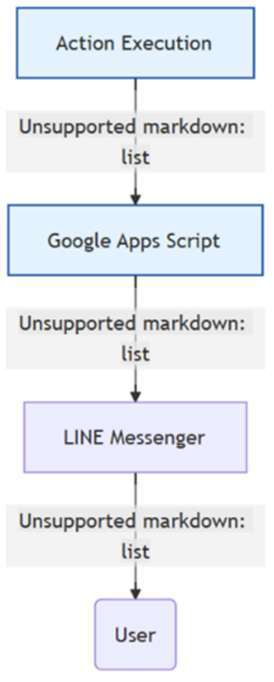
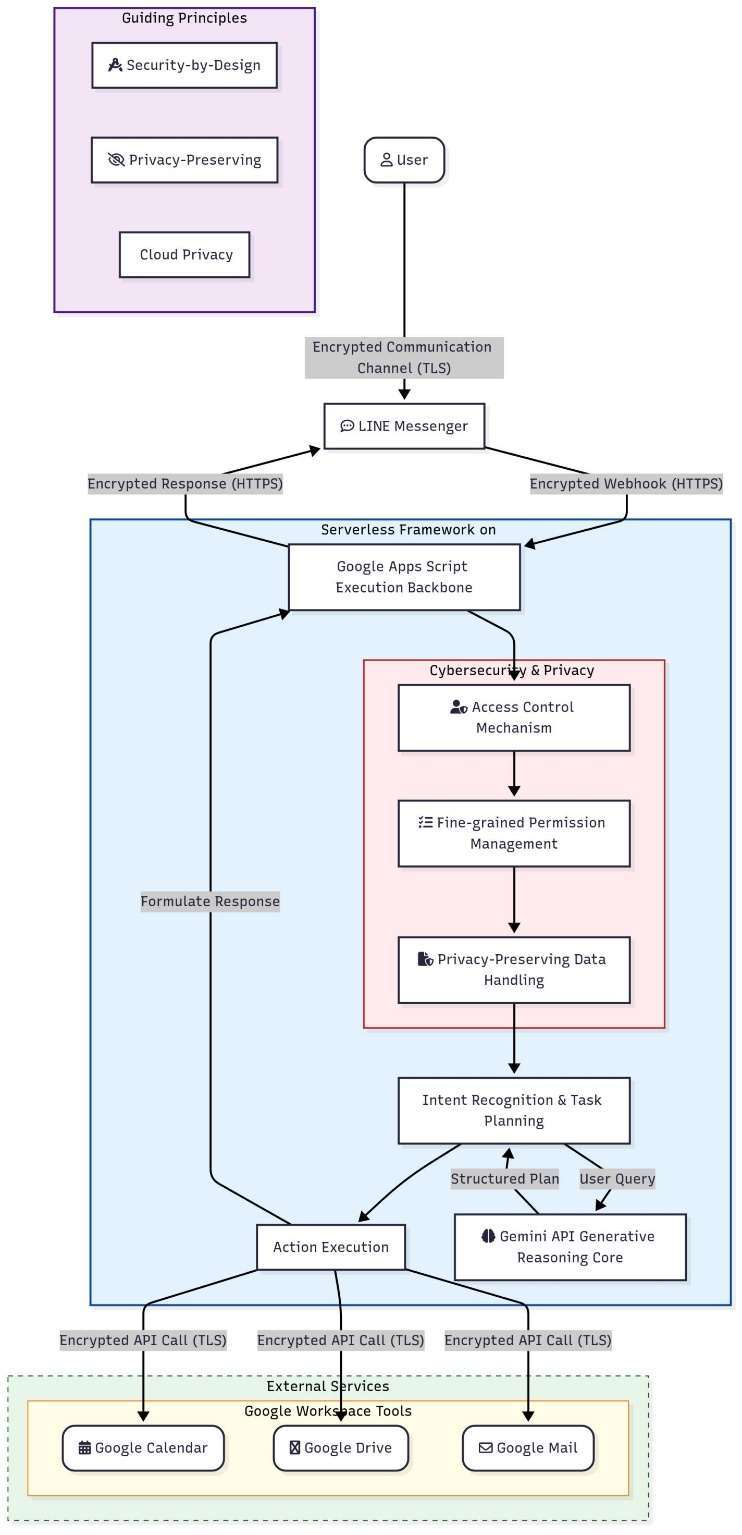
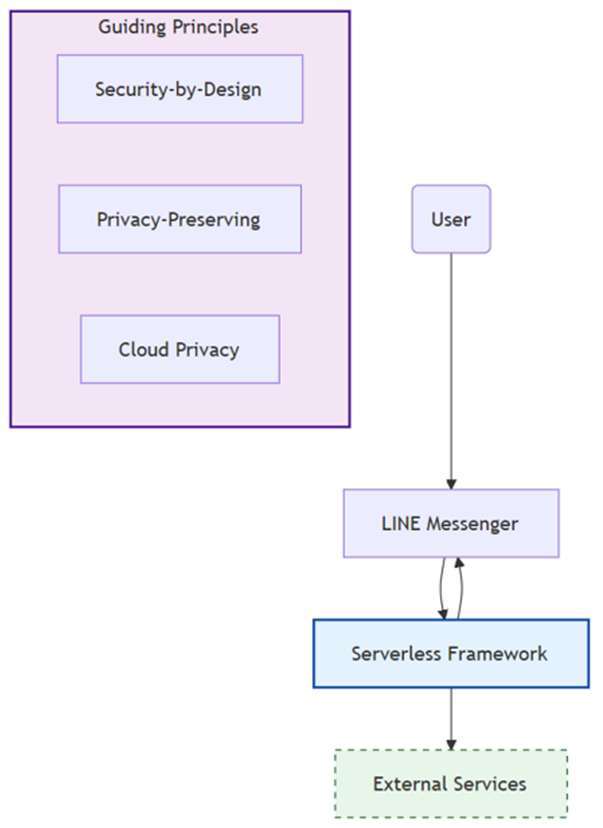
The rapid growth of large language models (LLMs) has advanced conversational agents into powerful tools for automating complex information tasks. However, deploying LLM-based systems in educational and administrative contexts is often hindered by backend complexity and high maintenance demands. This study introduces the GenAI Cloud Executive Secretary, a lightweight, serverless conversational framework for educational * Corresponding Author: Management College, National Defense University, No.70, Sec. 2, Zhongyang N. Rd., Beitou Dist., Tai- pei City 112305 E-mail: ottolan0728@gmail.com task automation. Built on Google Apps Script (GAS) with Gemini 2.0 Flash as the reasoning core, the framework integrates with the LINE Messaging API to provide natural language interaction and autonomously coordinates Google Workspace services (e.g., Drive, Calendar, Gmail) through intent recognition and structured responses. Beyond functionality, the framework emphasizes cloud security and privacy by a…
Figures

Extracted Figures

Original extracted figures are retained for visual reference and contextual reading.

From Traditional Semantic Analysis to Generative AI: Research on Cybersecurity and Privacy Challenges in Cloud-Based Educational Task Automation - figure-01.jpg
From Traditional Semantic Analysis to Generative AI: Research on Cybersecurity and Privacy Challenges in Cloud-Based Educational Task Automation - figure-02.jpg
From Traditional Semantic Analysis to Generative AI: Research on Cybersecurity and Privacy Challenges in Cloud-Based Educational Task Automation - figure-03.jpg
From Traditional Semantic Analysis to Generative AI: Research on Cybersecurity and Privacy Challenges in Cloud-Based Educational Task Automation - figure-04.jpg
From Traditional Semantic Analysis to Generative AI: Research on Cybersecurity and Privacy Challenges in Cloud-Based Educational Task Automation - figure-05.jpg
From Traditional Semantic Analysis to Generative AI: Research on Cybersecurity and Privacy Challenges in Cloud-Based Educational Task Automation - figure-06.jpg
From Traditional Semantic Analysis to Generative AI: Research on Cybersecurity and Privacy Challenges in Cloud-Based Educational Task Automation - figure-07.jpg
From Traditional Semantic Analysis to Generative AI: Research on Cybersecurity and Privacy Challenges in Cloud-Based Educational Task Automation - figure-08.jpg
From Traditional Semantic Analysis to Generative AI: Research on Cybersecurity and Privacy Challenges in Cloud-Based Educational Task Automation - figure-09.jpg
From Traditional Semantic Analysis to Generative AI: Research on Cybersecurity and Privacy Challenges in Cloud-Based Educational Task Automation - figure-10.jpg